Rules of Survival Legacy Team Composition
Build balanced fireteams with proper role synergy, counter team strategies, and coordinated squad makeup for competitive BR.
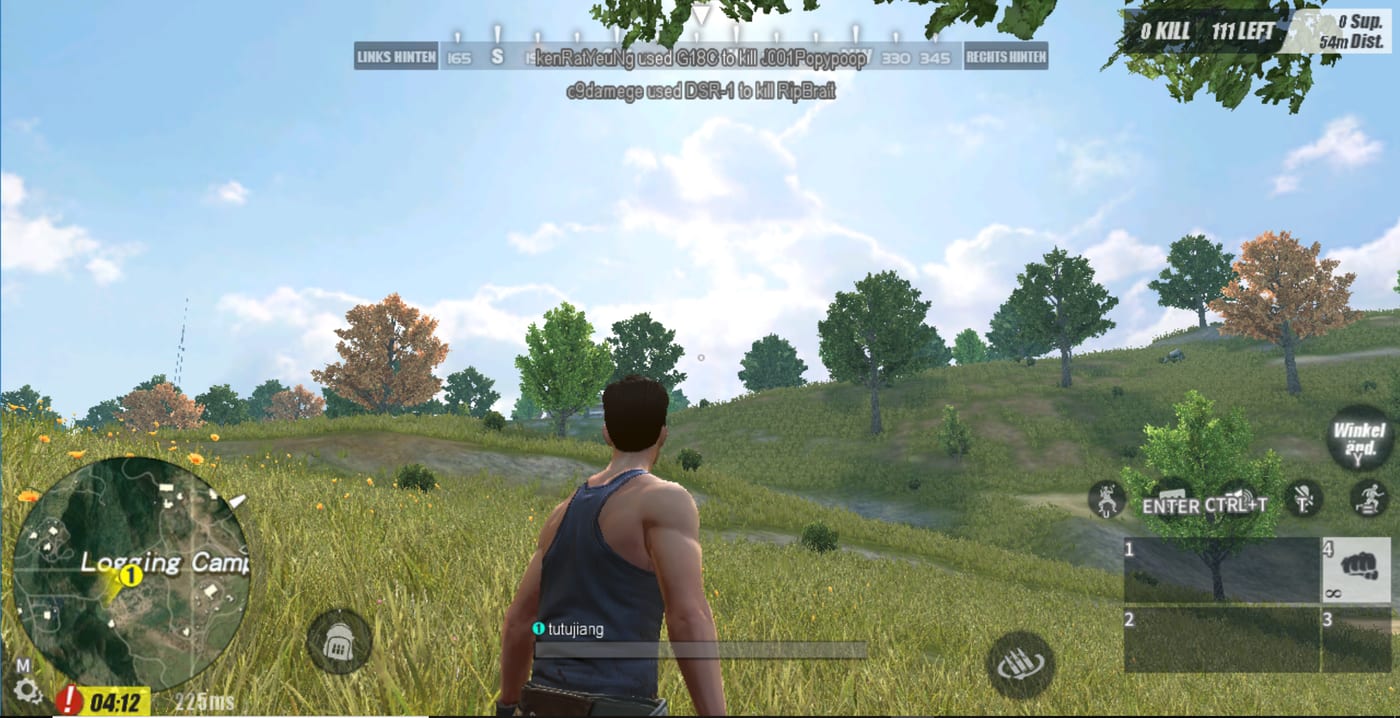
In classic Rules of Survival, a coordinated four-player squad with balanced composition consistently beat four skilled solo players who happened to queue together. Team composition鈥攖he mix of roles, weapons, and specialties鈥攄etermined what situations your squad could handle and what it could not. Rules of Survival Legacy targets PC under Myth Games, still Under Development as of September 2026, and the Squad Doctrine system confirmed by Myth (Vanguard, Scout, Anchor) suggests role-based team building will matter as much in Legacy as it did in classic ROS. This guide covers how to construct balanced team compositions, maximize role synergies, counter common enemy formations, and build fireteams that function as units rather than collections of skilled solo players.
Understanding role synergy
Role synergy meant that combining certain roles created combined capabilities greater than the sum of their parts. A Vanguard plus Scout working together could execute plays neither could attempt alone.
Vanguard-Scout synergy:
The Vanguard led aggressive pushes while the Scout provided intel on enemy positions and rotations. When these two roles combined, the Vanguard knew exactly where to push and the Scout knew when to mark targets for focus fire. This pair formed the offensive engine of a squad.
Scout-Anchor synergy:
The Scout gathered information while the Anchor held defensive positions using that intel. A Scout who marked enemies approaching the Anchor’s position gave the Anchor time to prepare crossfire and set up overwatch. This pair formed the defensive infrastructure.
Anchor-Vanguard synergy:
The Anchor held ground while the Vanguard created openings. When the Vanguard needed to retreat, the Anchor provided suppressing fire. When the Anchor needed to rotate, the Vanguard created a distraction. This pair formed the flexible response unit.
See the Squad roles guide for detailed role descriptions.
Building balanced compositions
A balanced squad covered all engagement ranges and had solutions for all game phases. No single composition was optimal for every situation, but some frameworks were more versatile than others.
The standard 4-0 composition:
One Vanguard (breach leader), one Scout (intel), one Anchor (defense), one Flex (adapts to game state). This was the most common competitive composition because it had answers for aggressive pushes, passive rotations, and late-game compression.
The aggressive 3-1 composition:
Two Vanguards and one Scout with one Anchor. Heavy on aggressive entry and pressuring enemies. Riskier if engagements went long, but overwhelming in early and mid-game when aggression paid off.
The defensive 1-3 composition:
One Vanguard, one Scout, two Anchors. Strong in late-game when positioning mattered more than aggression. Weaker in early game when loot and map presence were still being established.
The flexible 2-2 composition:
Two players comfortable as Vanguards or Scouts depending on game state, with two Anchors for defensive stability. This composition adapted to whatever the match required but did not specialize in any particular phase.
Weapon distribution for composition
Role synergy extended to weapon distribution. A squad where everyone ran ARs had gaps in capability that enemies exploited.
Range coverage:
At least one player should have a DMR or sniper for long-range engagements. Classic ROS veterans remembered the frustration of watching enemies poke from ridge lines while the squad had no answer beyond 200 meters.
At least one player should have an SMG or shotgun for close-range engagements. Building clearing and hallway fights required CQB capability.
At least two players should have versatile ARs for mid-range pressure. The mid-range band was where most engagements occurred in classic ROS.
Attachment distribution:
Extended mags should go to players using high-fire-rate weapons (SMGs, DMRs) who benefited most from reduced reload frequency.
Scopes should go to the designated long-range player, not whoever found them first.
Suppressors should go to players planning stealth approaches or players in positions where unsuppressed fire would expose the entire squad.
See the Attachments tier list for priority rankings and the Squad loadout guide for detailed distribution strategies.
Counter-strategies for common enemy compositions
Understanding common compositions helped you counter them.
Counter aggressive pushes:
Aggressive squads tried to overwhelm with Vanguard pressure. Counter by using Anchor players to hold chokepoints while Scout players marked approaching Vanguards. Fall back to terrain that forced the aggressive squad into unfavorable angles.
Counter defensive turtles:
Defensive squads held buildings and terrain, waiting for others to push into their crossfire. Counter by using smoke to close distance and Vanguard players to flush them with grenades. Do not push into prepared crossfire without smoke and numbers.
Counter sniper squads:
Sniper-heavy enemy squads tried to win from range while your squad closed distance. Counter by using smoke on open ground, vehicles for fast repositioning, and forcing the sniper players into CQB range where their loadouts were weakest.
Communication for composition coordination
Composition only worked when everyone understood their role and how it connected to teammates.
Pre-match role confirmation:
Before queuing, confirm who was playing which role. Do not assume鈥攙erbal confirmation prevented the confusion of two players trying to fill the same position.
In-game adaptation calls:
If the enemy composition was heavily aggressive, the squad might need to shift toward defensive positioning. IGL called these shifts based on what the Scout reported.
Loadout adjustment:
If the squad lacked long-range capability, someone with a DMR needed to adjust attachments even if it meant dropping a preferred weapon. Team needs over individual preference.
See the Squad communication guide for detailed callout frameworks.
Solo queue team adaptation
When queuing with random teammates, composition was rarely optimal. Adapting to whatever teammates you had mattered more than demanding they fill specific roles.
When teammates were passive:
Play more defensively. If your Vanguard was not pushing, use your Anchor skills to hold positions and let enemies come to you.
When teammates were aggressive:
Cover their pushes. If teammates were entry-focused, provide overwatch and healing support rather than trying to lead your own pushes.
When teammates had poor communication:
Adjust by playing more independently. Provide callouts without expecting returns. Focus on supporting whatever the team was doing rather than trying to direct it.
Building a consistent fireteam
Random queue teams had limited ceiling. Building a consistent fireteam with regular players elevated everything.
Finding the right players:
Look for players who communicated clearly, adapted to game state, and prioritized squad success over personal stats. Mechanical skill mattered less than these qualities.
Establishing roles early:
Within a few sessions, lock roles. Players who switched between Vanguard and Anchor depending on mood prevented the squad from developing role-specific muscle memory.
Developing plays together:
Practice specific team maneuvers鈥攃oordinated smokes, synchronized pushes, preset crossfire positions. Teams that had practiced specific plays executed them faster than teams improvising in the moment.
Reviewing sessions:
After each session, discuss what worked and what did not. Did the composition handle the situations you faced? Were roles clear? Did communication flow? Continuous improvement required deliberate reflection.
What Legacy may preserve or change
Myth Games has confirmed the Squad Doctrine with Vanguard, Scout, and Anchor roles. The specific capabilities of each role may shift from classic ROS expectations. Monitor Discord and updates for role-specific announcements and patch notes that affect composition strategy.
Related pages
Squad roles guide 鈥?detailed Vanguard, Scout, Anchor descriptions Squad communication guide 鈥?callout frameworks for team coordination Squad loadout 鈥?weapon and gear distribution Advanced strategies 鈥?team fight tactics beyond basic composition Solo vs Squad 鈥?how team dynamics differ from solo play
Frequently Asked Questions
Quick answers to the most common questions.
What is the best squad composition in Rules of Survival Legacy?
The standard 4-0 composition (one Vanguard, one Scout, one Anchor, one Flex) is the most versatile competitive setup. It covers all engagement ranges and adapts to aggressive, defensive, or balanced game states.
How do role synergies work between Vanguard and Scout?
The Scout provides intel on enemy positions and rotations while the Vanguard uses that information to lead precise pushes. This combination creates offensive capability neither role has alone.
Should every squad have a designated sniper?
At least one player should have long-range capability (DMR or sniper), but whether that player is a dedicated sniper or a flex role depends on squad preference. The key is having an answer for enemies at 200+ meters.
How do I counter an aggressive push composition?
Use Anchor players to hold chokepoints with crossfire while Scout players mark approaching Vanguards. Fall back to terrain that forces the aggressive squad into unfavorable angles rather than meeting them head-on.
What if I queue solo with random teammates?
Adapt to whatever composition you have. If teammates are passive, play defensively. If aggressive, provide overwatch. Focus on supporting the team rather than demanding specific roles.
Will Legacy change how team composition works?
Myth has confirmed Vanguard, Scout, Anchor roles under Squad Doctrine. Specific role capabilities may shift from classic ROS expectations. Monitor Discord and Updates for role-specific announcements.