Rules of Survival Legacy Squad Roles 鈥?Vanguard, Scout, Anchor
Master the three roles that define ROS Legacy squad doctrine 鈥?lead, scout, and hold positions for victory.
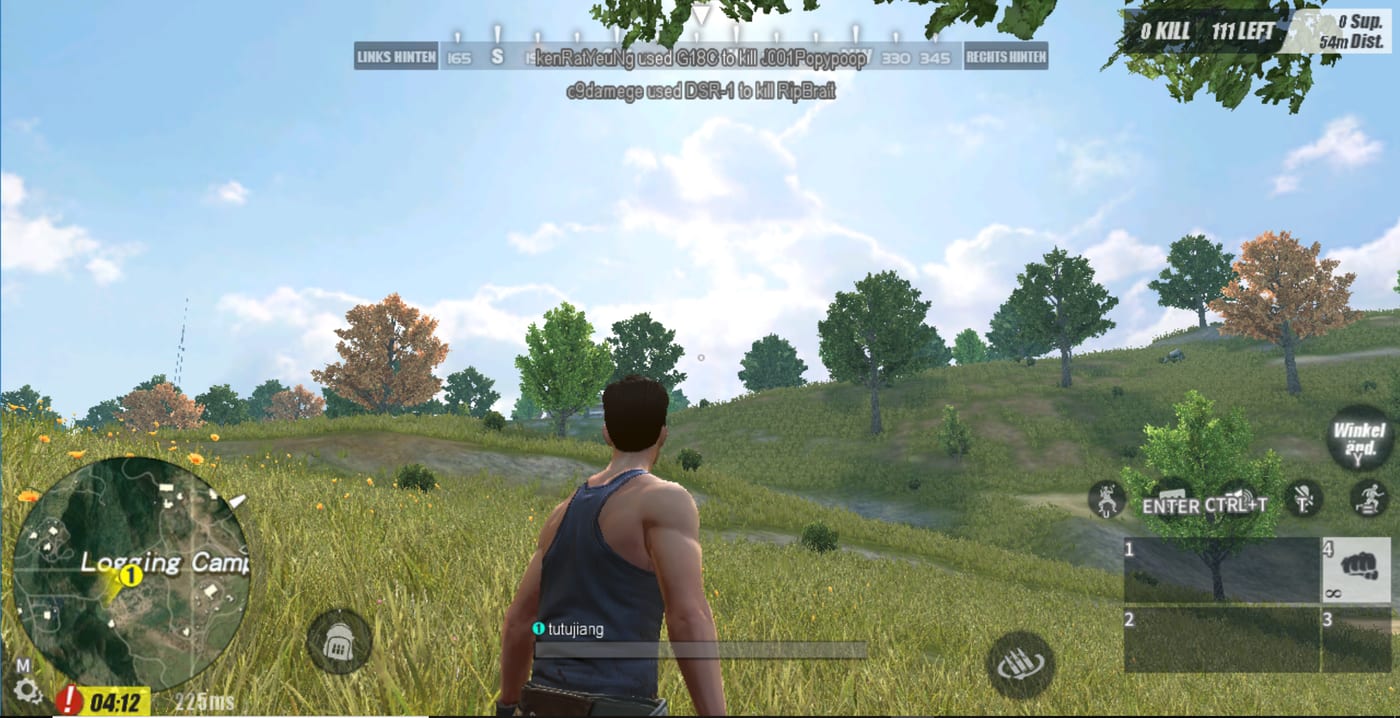
ROS Legacy squad doctrine organizes four-player teams into three specialized roles: Vanguard, Scout, and Anchor. This guide covers how each role functions, what equipment to prioritize, and how to coordinate role transitions during a match.
The three roles at a glance
Role Primary duty Key weapons Vanguard Lead pushes, breach buildings Shotguns, SMGs, compact ARs Scout Gather intel, mark targets DMRs, designated marksman rifles Anchor Hold defensive positions, cover revives Assault rifles, LMGs
The fourth player fills whichever role the squad needs most based on drop location, loot availability, and zone position.
Vanguard 鈥?Break the line
The Vanguard leads squad advances and creates openings in enemy defenses. This role demands aggressive playstyle, quick decision-making, and the ability to absorb pressure while teammates reposition.
Vanguard responsibilities
Breach leadership 鈥?initiate building clears and contested position fights First contact 鈥?engage enemies to draw attention while Scout and Anchor maneuver Rotation point 鈥?designate safe movement paths through dangerous terrain Item economy 鈥?Vanguard uses grenades and smokes to create space for the squad
Vanguard loadout priorities
Primary weapon 鈥?high damage or high fire-rate for aggressive engagement Grenades 鈥?frag grenades for room clearing, smoke grenades for squad repositioning Quick-heal items 鈥?bandages and med kits for sustain after taking damage Armor 鈥?prioritize vest upgrades to survive initial contact
Vanguard map tactics
Crash Site / Iron Town 鈥?Vanguard leads through debris and industrial structures The Slums 鈥?breach clearing operations in multi-story buildings Oasis 鈥?secure waterline positions early for squad advantage
Scout 鈥?Own the intel
The Scout gathers critical battlefield information and maintains awareness of enemy positions, rotations, and zone pressure. This role balances between combat contribution and information warfare.
Scout responsibilities
Reconnaissance 鈥?scout ahead of squad to identify enemy positions Target marking 鈥?call out enemy locations for squad coordination Rotation watching 鈥?monitor multiple angles for approaching threats Distance management 鈥?engage at optimal range to avoid taking damage
Scout loadout priorities
Precision weapon 鈥?DMR or designated marksman rifle for mid-range engagements Scope attachments 鈥?4x or higher magnification for long-range identification Binoculars or spotting scope 鈥?extended observation without combat exposure Smoke grenades 鈥?concealment for repositioning after marking targets
Scout map tactics
Highlands 鈥?maximum value from elevated positions and open terrain Frostfall 鈥?intact structures provide excellent observation points Dust Quarter 鈥?monitor rooftop angles and rotation paths
Anchor 鈥?Hold the ground
The Anchor provides defensive stability and ensures squad survival through revives, crossfire positioning, and zone control. This role requires patience and positioning discipline.
Anchor responsibilities
Position holding 鈥?maintain defensive structures against enemy pushes Revive coverage 鈥?provide covering fire while teammates recover Zone awareness 鈥?track circle timing and advise squad on rotation timing Crossfire creation 鈥?position to create difficult angles for enemies
Anchor loadout priorities
Sustained fire weapon 鈥?assault rifle or LMG for holding positions Extended magazines 鈥?maintain fire without reload gaps Defensive equipment 鈥?smoke grenades, molotov cocktails for area denial Medical supplies 鈥?prioritize med kits for revive sustainability
Anchor map tactics
All maps 鈥?Anchor adapts to hold whatever defensible structure the squad occupies The Slums / Iron Town 鈥?multi-floor building positions with escape routes Oasis 鈥?hold structures near waterline for zone control
Role coordination and transitions
Effective squads communicate role flexibility based on game state:
Early game transitions
Vanguard secures initial building if squad drops hot Scout marks immediate threats during loot phase Anchor establishes position near anticipated rotation paths
Mid game adjustments
Scout repositions to high ground as zone compresses Vanguard transitions to area denial if squad holds structure Anchor maintains crossfire angles while others maneuver
Late game specialization
Scout and Anchor combine for defensive hold while Vanguard seeks final picks Squad collapses to single defensive position for final circles Role flexibility determines clutch potential in endgame scenarios
Squad composition examples
Aggressive composition
Vanguard (2), Scout (1), Anchor (1) Best for hot drops and early-game pressure High elimination potential but vulnerable to counter-attacks
Balanced composition
Vanguard (1), Scout (1), Anchor (2) Best for rotating through contested zones Flexibility to adapt to any game state
Defensive composition
Vanguard (1), Scout (1), Anchor (2) Best for final circle positioning Requires excellent Anchor play for success
Connection to other guides
Building Clearing 鈥?Vanguard breach tactics Squad Communication 鈥?coordination callouts Circle Strategy 鈥?Anchor zone awareness Maps Hub 鈥?role-specific terrain advantages
Frequently asked questions
Can one player cover multiple roles?
The fourth player fills gaps based on squad needs. If Vanguard falls early, the Scout can transition to aggressive play. If Anchor goes down, Vanguard must cover revive protection.
What if my squad has different playstyles?
Adapt role assignments to player strengths. An aggressive player should lead as Vanguard. A patient player excels as Anchor. A game-sense player provides maximum value as Scout.
Do roles change between maps?
Role effectiveness shifts with terrain. Highlands rewards Scout play. Iron Town demands Vanguard aggression. All maps benefit from Anchor discipline in final circles.
How do I practice role-specific skills?
Each role benefits from focused practice: Vanguard drills in close-quarters combat, Scout practice in precision and game sense, Anchor work on positioning and revive timing. Use the weapon compare tool to find optimal role-specific weapons.
Preguntas frecuentes
Respuestas rápidas a las preguntas más comunes.
What are the three squad roles in ROS Legacy?
The three squad roles are Vanguard (lead pushes and breach buildings), Scout (gather intel and mark targets), and Anchor (hold defensive positions and cover revives). A four-player squad fills these three roles with one flex player.
Which role should I play as a beginner?
Anchor provides the best beginner experience with defensive positioning and lower aggression requirements. Learn squad coordination and map awareness while providing valuable support to Vanguard and Scout teammates.
What weapons suit each role?
Vanguard typically uses shotguns, SMGs, or compact ARs for aggressive engagement. Scout uses DMRs or designated marksman rifles for precision. Anchor uses assault rifles or LMGs for sustained fire and position holding.
How do squads coordinate role transitions?
Communication determines role transitions. When Vanguard falls, Scout transitions to aggressive play. When Anchor goes down, Vanguard covers revive protection. Late game typically combines Scout and Anchor for defensive hold.
Do roles work differently on each map?
Yes. Highlands rewards Scout play with open terrain. Iron Town demands Vanguard aggression in close quarters. All maps benefit from Anchor discipline in final circles regardless of terrain.