Rules of Survival Legacy Movement Techniques
Strafing, bunny hop, dodge, and advanced locomotion for classic ROS-style battle royale on PC.
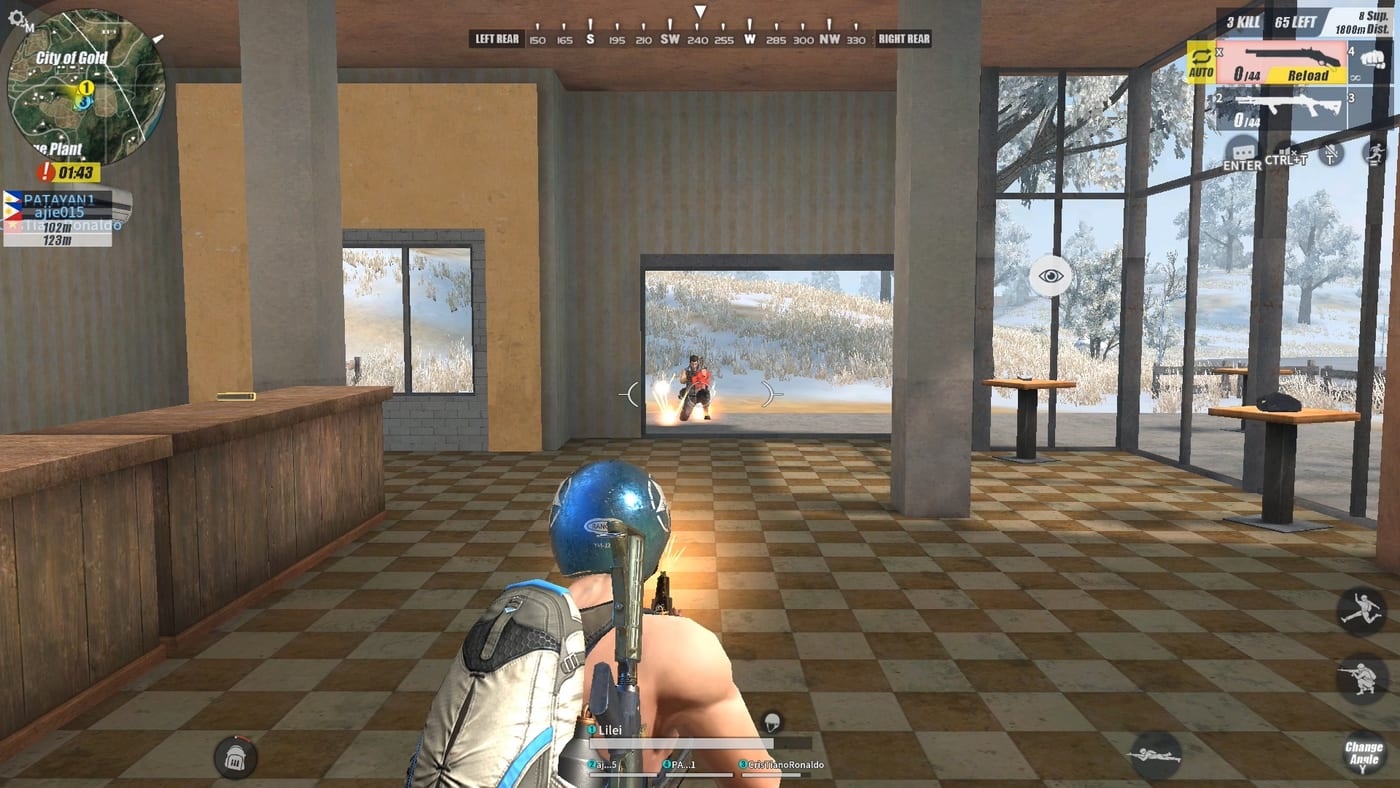
Movement in classic Rules of Survival separated average players from top fraggers. Knowing when to strafe, when to jump, and when to hold still decided fights before bullets even flew. Rules of Survival Legacy aims to restore that fast-paced PC battle royale feel under Myth Games, still Under Development as of August 2026. This guide breaks down the movement techniques veterans used to survive 120-player lobbies on Ghillie Island and rotate across Fearless Fiord’s massive terrain鈥攕kills you can practice now before Myth opens test servers.
Master these techniques alongside PC keybinds and sensitivity tuning. Movement without proper keybinds feels sluggish; keybinds without movement feel robotic. Pair both for fluid gameplay that wins fights.
Strafing fundamentals
Strafing is the foundation of movement in ROS-style BR. It means alternating left and right movement while maintaining aim on your target鈥攃reating an unpredictable hitbox without sacrificing accuracy. Classic ROS rewarded players who strafed inside buildings during Thompson duels and on open ground when AWM bullets flew overhead.
Basic strafe: Hold A or D, tap the opposite direction to change heading, repeat. Keep your crosshair trained on the target’s likely path. Classic strafe rhythm felt natural at around 180鈥?20 BPM depending on your mouse DPI.
Wide strafe: Move further left or right to create distance from aggressive pushers. Wide strafes work best at mid-range where ARs dominate. Pull back slightly as you reverse direction to maintain optimal engagement range.
Jiggle strafe: Small, rapid direction changes while ADS (aim down sights). Use this when holding a doorway or angle in final circles. Jiggle strafe makes you harder to headshot without committing to a full wide strafe that might overshoot your cover.
Bunny hop mechanics
Bunny hopping in classic ROS served two purposes: maintaining momentum while moving faster than a sprint lock, and making yourself harder to hit during rotations. While ROS did not have strict Quake-style bunny hop mechanics, players exploited jump timing to reduce movement sound and maintain line-of-sight faster.
Practice timing: Press jump just before your character lands from a previous jump. In classic ROS, well-timed hops reduced the brief stationary moment between steps. This mattered most when rotating through open terrain on Fearless Fiord where vehicles were unavailable.
Jump-peek: Jump to gain brief height advantage over a ridge, take a shot, then land back into cover. Classic sniper players used jump-peeks from Observatory ridges to snap AWM shots over Ghillie Island terrain without fully exposing their body.
Avoid hopping inside buildings: Jump sounds inside Training Base warehouses gave away your position to players clearing the opposite end. Save hops for outdoor rotations and open-field movement.
Dodge and repositioning
Dodging means making rapid, unexpected position changes to avoid return fire after taking a shot. In classic ROS, winning a duel often meant landing one shot, immediately dodging left or right, then re-engaging before the opponent adjusted.
Single-shot dodge: After landing an AKM or ACR burst, immediately strafe in the opposite direction of your movement. This forces the opponent to re-track their aim while you reset.
Cover dodge: Use corners, doorways, or rocks as pivot points. Peek left, shoot, retreat behind cover, then re-peek right. Classic players called this “dry-peeking”鈥攑oking without committing to the angle.
Fallback dodge: When HP drops critically, fallback while strafing and popping a med kit. Many players lost fights by standing still to heal. The fallback dodge keeps you moving while your health bar recovers.
Prone and crouch usage
Prone and crouch served specific purposes beyond just reducing your profile. Classic ROS veterans used these stances strategically:
Crouch-spray: Drop crouch during an AR spray to reduce recoil spread. Combined with tap-fire at mid-range, crouch-spray gave you extra stability at the cost of mobility. Useful inside Rust Bay warehouses or Bitter Lake compounds.
Prone-recovery: When you took a bad trade and need to heal, prone in tall grass away from the fight. Prone reduced your visible hitbox and bought time for a med kit to complete.
Stand-prone toggle: Fast players toggled prone just as a sniper round flew past鈥攃reating vertical movement that made headshots harder. This required practice and proper sensitivity settings.
Circle movement and rotation timing
Movement during zone phases required different habits than fighting. Classic ROS circle management rewarded players who moved smart, not fast.
Pre-rotate habit: Identify your next position before the current zone fully closes. Move when the blue zone border is two compound lengths away鈥攏ot when it touches your feet. This habit separated players who arrived with time to spare from those burning meds under gas pressure.
Edge walking: Follow the safe zone border rather than cutting through center. Edge walking reduced third-party encounters and gave you a defined wall to fallback against. Classic Fiord players used edge walking to camp vehicle spawns along map boundaries.
Vehicle dismount: Jump from vehicles at speed to reduce exit exposure. Land running in your intended direction rather than standing still after a drive-by. Practice dismount timing with the vehicle guide.
Common movement mistakes
Constant movement in final circles: Standing still to heal or recenter your aim is sometimes correct. Not every second needs a strafe.
Bunny hopping indoors: Jumping in Training Base corridors announced your position to anyone in hearing range.
Wide strafing without cover: Aggressive wide strafes work when you have backup or solid cover. Solo wide strafes into the open made you an easy AWM target on Ghillie ridges.
Ignoring movement sound: Footstep cadence communicated player count and position. Silent movement was a learned skill worth practicing.
Connecting movement to builds and maps
Movement techniques support every loadout. A sniper build relies on holding still for AWM precision; an aggressive SMG build needs constant strafing during Thompson rushes. Pair movement practice with:
Solo Loadout 鈥?movement priorities for solo queue Squad Roles 鈥?coordinated movement within a team Circle Strategy 鈥?movement during zone phases Ghillie Island map 鈥?terrain-specific movement tactics
What Legacy may change
Myth Games has not confirmed whether Legacy preserves classic ROS movement feel or introduces updated locomotion. Watch Discord and updates for movement or mobility-related patch notes once test access opens.
Related pages
PC Keybinds 鈥?execute movement without sluggish menus Sensitivity Settings 鈥?mouse input synced with movement intent Beginner Mistakes 鈥?avoid movement habits that get you killed Close Combat 鈥?movement during SMG and shotgun duels
Preguntas frecuentes
Respuestas rápidas a las preguntas más comunes.
Is bunny hopping effective in classic ROS?
Yes, with caveats. Well-timed hops reduced stationary moments between steps and helped maintain momentum during outdoor rotations on Fearless Fiord. Avoid hopping indoors where sound gave away positions.
Should I always keep moving during fights?
Not always. Sometimes standing still to heal, reset your crosshair, or hold a precise angle is correct. Movement should serve your tactical goal, not happen constantly.
How does strafing work with different weapon types?
ARs reward controlled tap-fire while strafing at mid-range. SMGs like Thompson shine in close-range strafes where hip-fire dominates. Snipers generally require stillness for precision, though quick peek-shots can work.
Does prone actually reduce visibility in classic ROS?
Yes, prone reduced your hitbox and helped you disappear in tall grass or behind low cover. Use it for recovery healing or surprise angles, not as a default stance.
Will Legacy change movement mechanics?
Myth Games has not published Legacy movement details. This guide reflects classic ROS behavior until official patch notes confirm what changes in the PC revival.
How do I practice movement without a live game?
Configure your keybinds and sensitivity in menus. Practice strafing and jump timing in your head during downtime. Study map layouts so you know which positions reward which movement choices.