Rules of Survival Legacy Armor Guide
Understand vest and helmet protection tiers, damage reduction math, and when to repair vs replace armor during matches.
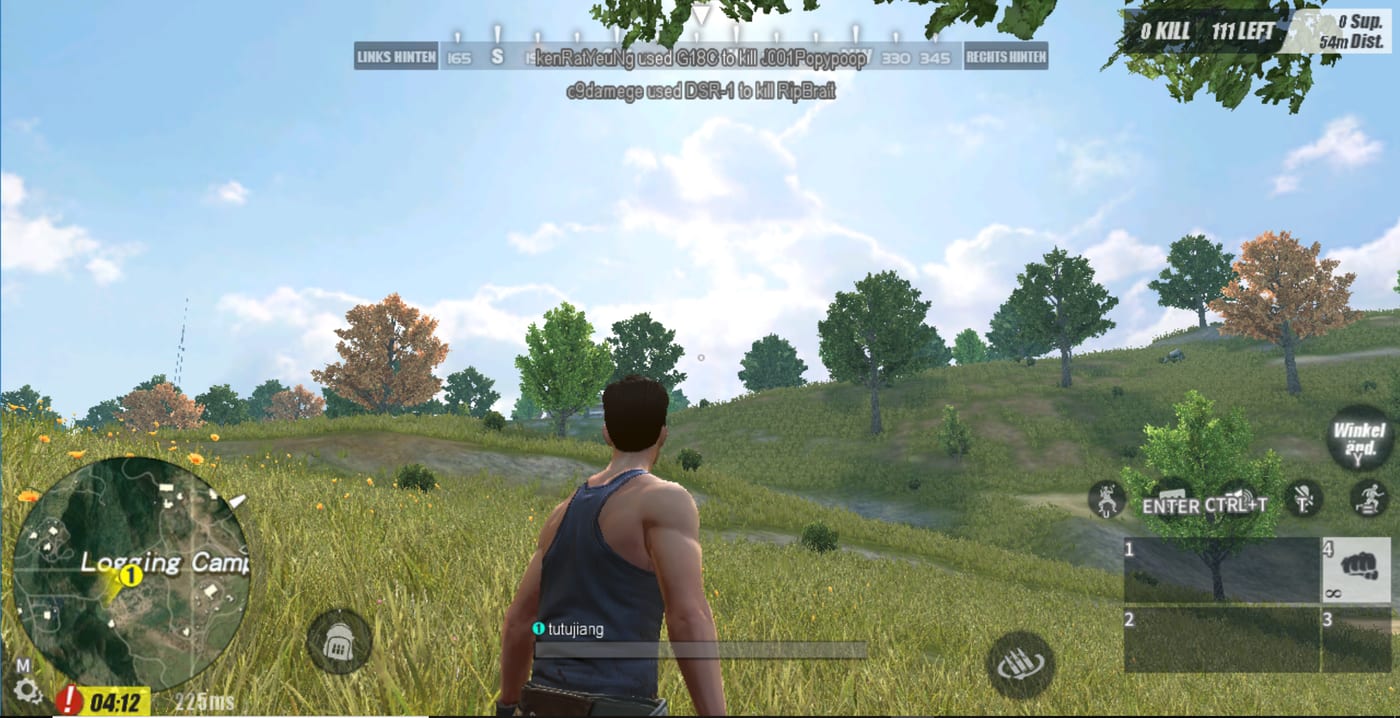
Armor determines how many hits you can survive in a firefight. Rules of Survival Legacy aims to restore classic ROS protection mechanics鈥攙ests, helmets, and damage reduction values that veterans memorized through thousands of matches.
Armor systems create interesting tradeoffs: heavier protection slows you down, but the damage reduction can be the difference between winning and losing an even trade.
Armor tiers in classic ROS
Classic Rules of Survival used a simple tier system for body armor and helmets:
Vest tiers:
Level 1 (civilian vest): Basic protection, commonly found in clothing containers and suburban buildings Level 2 (military vest): Improved damage reduction, found at military installations and airdrops Level 3 (tactical vest): Maximum protection, rare spawn and airdrop-only in most versions
Helmet tiers:
Level 1 helmet: Protects against pistol and shotgun pellets at close range Level 2 helmet: Reduces damage from SMGs and some AR rounds Level 3 helmet: Full protection against most weapon categories including some sniper rounds
Each tier provided approximately 20-25% additional damage reduction compared to the previous level.
Damage reduction math
Understanding damage reduction changes how you evaluate trades.
Example scenario:
AR headshot deals 50 damage Level 2 helmet reduces this by approximately 40% Effective damage: 50 脳 0.60 = 30 damage to helmet wearer Without helmet: 50 damage鈥攑otentially lethal depending on remaining health
Key implications:
A Level 3 helmet can turn a one-shot-kill into a survivable hit Vest determines how many body shots you can absorb Armor breaks after taking significant damage鈥攎onitor durability
See Weapon damage reference for specific numbers on different weapons.
Durability and repair decisions
Armor had durability that degraded with each hit. Understanding repair vs replace decisions saved resources.
When to repair:
Armor is above 50% durability鈥攔epair is cost-effective You have excess repair kits and no better armor nearby Late game when finding replacement armor is unlikely
When to replace:
Armor is below 30% durability鈥攄iminishing returns You find higher-tier armor at airdrop or military crate You have excess inventory space and time to swap
Armor and playstyle
Different roles and strategies benefit from different armor emphasis:
Aggressive players:
Prioritize Level 2+ vests for extended fights Accept some durability loss in exchange for offensive positioning Carry repair kits to restore armor between engagements
Support players:
Focus on Level 2+ vests for survivability during revive situations Keep backup armor in inventory for extended operations Coordinate with teammates for armor swaps when high-tier gear appears
Sniper players:
Prioritize Level 3 helmet for headshot protection May accept lower vest tier if most fights are long-range Use vehicles for mobile protection when sniping
Armor in squad coordination
Squad play adds armor sharing and coordination dimensions.
Armor sharing protocol:
Highest-tier armor goes to players in frontline roles Support players keep backup armor for extended operations Communicate armor status before major engagements Call out when armor breaks so teammates can cover
Revive and armor interaction:
Revived players return with partial health and damaged armor Support players should prioritize healing resurrected teammates Armor swap during revive downtime maximizes preparation
Advanced armor tactics
Baiting with armor:
Experienced players occasionally deliberately took minor hits to bait opponents into believing their armor was low, then counter-attacked when enemies pushed thinking they had an easy kill.
Armor as inventory trade:
In late game, Level 3 armor was worth more as a trade item than many weapons. Players would swap armor to bait kills from enemies who thought they were shooting a low-protection target.
Related pages
Armor and Meds build 鈥?full loadout including protection Weapon damage reference 鈥?damage numbers by weapon Solo loadout 鈥?armor priorities for solo play Squad loadout 鈥?armor distribution in squads Tier list hub 鈥?broader meta including armor attachments
Preguntas frecuentes
Respuestas rápidas a las preguntas más comunes.
What armor tier should I prioritize finding early?
Level 2 vest and helmet are the practical targets early game. Level 3 is rare and often not worth the inventory slot until you confirm its location from airdrops.
Does armor slow down movement in classic ROS?
Slightly, but the damage reduction benefit far outweighs movement penalty in combat scenarios. Only consider dropping armor if you need inventory space for critical consumables.
How do I know when to repair vs replace armor?
Repair when durability is above 50% and you have repair materials. Replace when durability drops below 30% or you find a significant upgrade.
Can enemies see my armor level in classic ROS?
Visual indicators were limited. Experienced players learned to estimate armor from player behavior鈥攁ggressive pushing often indicated high-tier protection confidence.
What is the most valuable armor in the game?
Level 3 helmet is typically most valuable because it can save you from one-shot kills. In extended firefights, Level 3 vest becomes equally important for sustain.