Rules of Survival Legacy The Slums 鈥?Urban Warfare
Tight alleys reward fast reactions and close-range loadouts in ROS Legacy's dense urban combat zone.
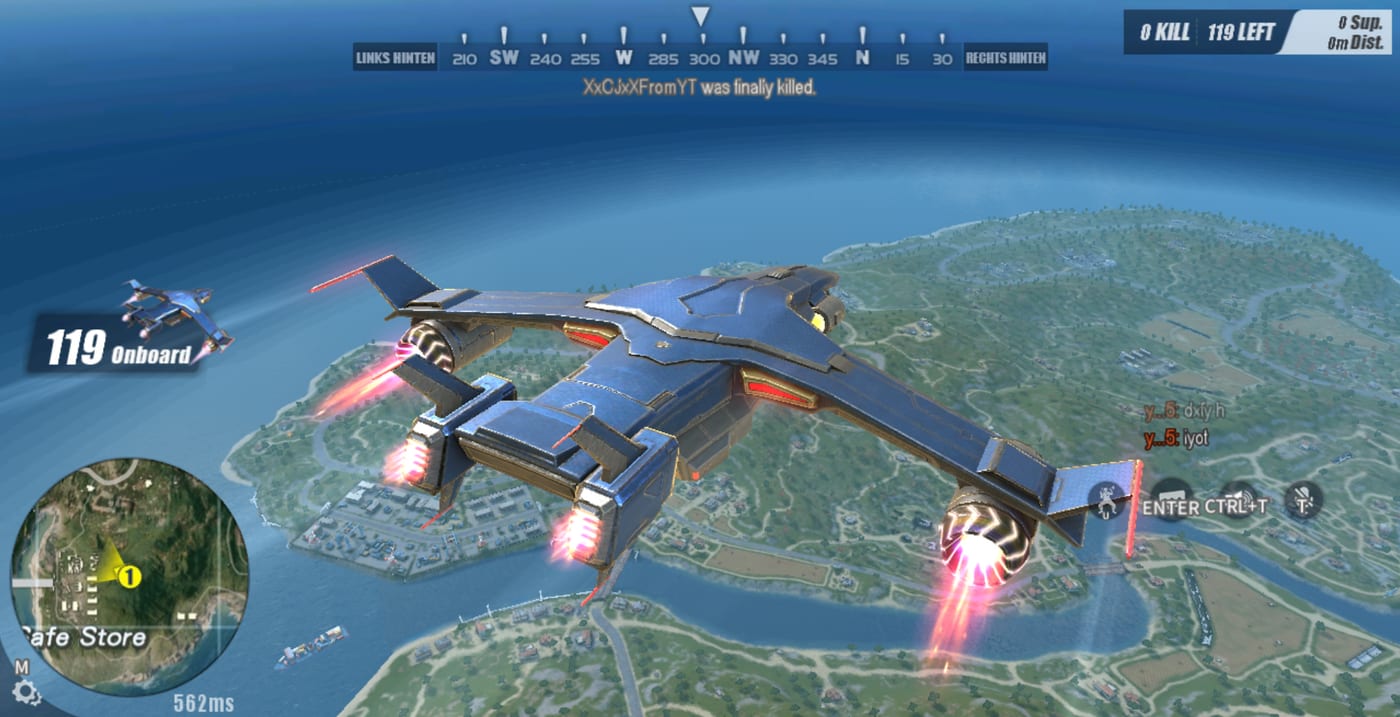
The Slums is the second combat zone listed on the official ROS Legacy landing page, characterized as an urban warfare environment with tight alleys that reward fast reactions and close-range loadouts. This guide covers tactical considerations for this densely built combat zone, drawing from what Myth Games has revealed about the environment and how classic ROS urban combat translates to Legacy gameplay.
The Slums presents classic urban warfare challenges that test different skills than the open battlefield maps in ROS Legacy’s roster. The terrain consists of narrow passages between buildings, multi-story structures with internal floor layouts, street-level intersections that create natural chokepoints, and rooftop access points that reward vertical players who take the time to learn building layouts. Understanding how these elements interact gives you a decisive advantage when navigating this dense environment.
The alleyways in The Slums function as primary movement corridors, but they offer minimal cover and force players into direct confrontation when paths cross. Unlike Crash Site’s irregular debris fields, The Slums provides more predictable geometry that skilled players can memorize and exploit. Learning which alleys connect to which buildings, which stairwells offer fastest vertical transit, and which rooftops provide overwatch positions transforms navigation from reactive scrambling into proactive positioning.
Multi-story buildings create vertical combat layers that separate average players from consistent performers. Ground floor fights differ dramatically from third-floor engagements 鈥?angle availability, escape route options, and engagement distances all shift based on elevation. Players who understand how to use stairs, windows, and rooftops strategically can control engagements regardless of their initial landing position.
Urban combat in The Slums rewards specific behaviors and punishes others with mathematical certainty. Corner discipline forms the foundation of survival 鈥?clearing corners methodically using pre-aim and controlled peeking prevents the ambush deaths that eliminate most new players in this environment. The cluttered terrain means enemies can appear from any window, doorway, or alley intersection, making constant awareness more valuable than raw aim skill.
Sound awareness becomes a critical information-gathering tool in The Slums. Footsteps echo between buildings, gunfire reverberates through alleyways, and vehicle sounds announce approach vectors from multiple blocks away. Skilled players use audio information to predict enemy movement, confirm positions without exposing themselves to visual detection, and make informed decisions about when to engage versus when to reposition. Ignoring audio cues in The Slums is equivalent to fighting with one hand tied behind your back.
Smoke grenades serve essential functions beyond simple concealment. Crossing open street areas, creating diversions during building clears, covering revive attempts in exposed positions, and blocking enemy sightlines during rotates all benefit from smoke discipline. The tight geometry means a single well-placed smoke can completely block an alleyway or building entrance, buying your squad precious seconds to reposition or execute tactical plans.
The Slums’ engagement distances cluster in the close-range band where weapon selection dramatically impacts survival probability. High fire-rate SMGs like the Vector and UMP45 dominate corridor fights due to their ability to output massive damage in minimal time. The Vector’s exceptional fire rate rewards accurate shot placement at extremely close range, although its small magazine capacity means missed shots carry severe consequences. The UMP45 offers larger magazine capacity and more forgiving accuracy requirements, trading raw DPS for practical usability.
Compensator-equipped assault rifles like the ACR or M4A1 excel when aggressive pushing through buildings is part of your strategy. The controlled recoil patterns allow accurate fire during movement, making these weapons effective for players who want to clear buildings aggressively rather than waiting for enemies to push into prepared positions. Red dot or holographic sights improve target acquisition speed compared to iron sights in the cluttered environment where enemies appear suddenly at close range.
Flashbang grenades provide significant advantages during building clearing operations. The disorientation effect lasts long enough to close distance on enemies or escape from prepared positions. While less versatile than smoke grenades, flashbangs excel in the specific scenario of building entry where surprise and speed determine outcomes more than positioning.
Quick-use healing items deserve priority in your loadout for The Slums. Bandages provide fast partial heals between engagements, while med kits offer complete health restoration for after major fights. The dense environment means you’re frequently in combat with minimal downtime 鈥?having healing items readily accessible prevents small mistakes from cascading into elimination.
Moving through The Slums requires constant awareness of multiple threat vectors simultaneously. Building exits and alternate routes must be tracked mentally, enemy positioning must be estimated from audio cues, circle pressure must be monitored against current position, and vertical exposure from upper floors must be anticipated when crossing open intersections. Players who develop this multi-tasking awareness through practice dramatically outperform those who focus only on immediate threats.
The dense urban structure creates interesting rotation dynamics relative to the shrinking circle. Some rotations through The Slums can be completed entirely via building-to-building movement, keeping your squad under hard cover throughout. Other rotations require crossing exposed street segments where smoke discipline becomes critical. Reading the current and predicted circle positions helps you choose routes that minimize exposure while maintaining acceptable movement speed.
The Vanguard role takes on special importance in The Slums’ building-focused combat environment. Breach team leaders who understand entry timing, flashbang placement, and room clearing sequences dramatically improve squad survival rates during building engagements. Vanguards who lead without hesitation create psychological pressure on enemies who expect prolonged standoffs rather than rapid tactical execution.
Scout players provide critical intelligence from elevated observation positions in The Slums’ multi-story structures. Watch towers, building rooftops, and upper-floor windows offer sightlines across multiple alleys and intersections. Scouts who communicate enemy positions, movement directions, and approximate numbers enable their squads to make informed decisions rather than blind commits into potentially hostile areas.
Anchor players hold building positions and cover revive attempts during The Slums’ intense close-quarters fighting. Holding a stairwell, controlling a rooftop access point, or maintaining overwatch on a critical intersection requires patience and discipline that some players find difficult to maintain. Anchors who communicate clearly about incoming threats and manage their ammunition carefully enable their squads to operate aggressively knowing a defensive fallback position exists.
The Slums differs fundamentally from Crash Site in its structural predictability versus irregular debris navigation. Crash Site rewards memorized irregular paths through wreckage; The Slums rewards systematic learning of building layouts and alley connections. Players transitioning from Crash Site to The Slums should expect a mental shift from reactive positioning to proactive planning.
Against Highlands’ long-range engagement focus, The Slums represents the opposite tactical paradigm. Highlands players entering The Slums should immediately swap DMR and sniper loadouts for close-range options. Attempting to use long-range weapons in The Slums’ cluttered environment wastes inventory slots on equipment that cannot perform effectively.
Theme: Urban Warfare. Environment: Tight alleys, multi-story buildings, street-level chokepoints. Combat style: Close-range CQB with vertical combat layers. Strategic focus: Corner control, sound awareness, vertical positioning. Loot tier: Suburban to military transition areas. Difficulty: Moderate-High 鈥?rewards methodical play over aggression. Squad synergy: Critical 鈥?coordinated clearing essential for building combat.
Questions fréquentes
Réponses rapides aux questions les plus courantes.
What is the key to winning fights in The Slums?
Fast reactions and proper corner clearing. The tight alleys mean you will frequently encounter enemies at close range. Weapon choice and pre-aiming corners give the biggest advantage.
Should I use long-range weapons in The Slums?
Generally no. DMRs and sniper rifles struggle in The Slums' cluttered environment. Prioritize SMGs, shotguns, or compact AR builds for close-quarters effectiveness.
How do I avoid getting ambushed in The Slums?
Move systematically through buildings, check corners, use sound to your advantage, and avoid predictable routes. Smoke grenades help when crossing open intersections.
What squad composition works best in The Slums?
Balanced compositions with Vanguard breach capability, Scout intel, and Anchor defensive holding perform well. Communication is critical 鈥?establish callout protocols before combat.
How does the circle affect The Slums strategy?
Circles centered on The Slums allow interior building control. Circles pulling away force street crossings where smoke discipline becomes essential.