Rules of Survival Legacy Building Clearing
Classic ROS breach and clear tactics for Training Base, Rust Bay, and urban compounds鈥攁dapted for Myth Games Legacy.
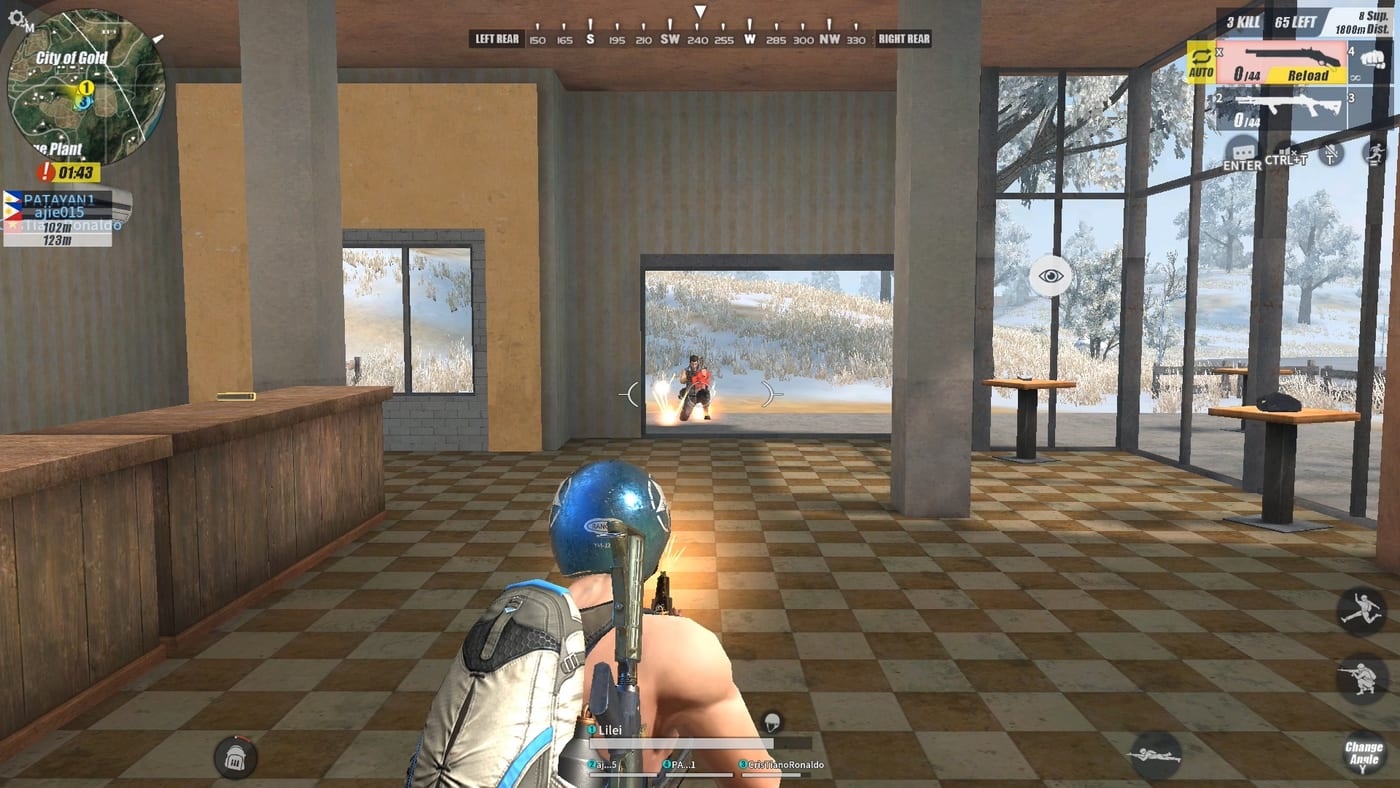
Buildings decide early-game survival on every classic ROS map. Whether you dropped Training Base for military crates or stumbled into Rust Bay during a rotate, knowing how to breach, clear, and exit a structure meant the difference between securing loot and dying to a hiding opponent. Rules of Survival Legacy is Under Development by Myth Games for PC鈥攖he original service ended June 27, 2022鈥攂ut the fundamentals of building combat transfer across every version of the franchise.
This guide covers classic ROS building tactics so your muscle memory is ready when Myth opens test access. Building layouts may change, but entry angle, sound discipline, and room prioritization remain constant battle royale skills.
Why building clearing matters more than open-field fights
Open-field engagements let you use terrain, medic, and vehicle options. Buildings compress space and force CQB (close-quarters battle) where reaction speed, spray control, and inventory management determine survival. Classic ROS buildings also contained the best loot鈥攎ilitary-grade rifles, level-3 armor, and med kits鈥攎aking them high-value, high-risk drop targets.
On Ghillie Island, buildings clustered in named POIs like Training Base and Rust Bay. On Fearless Fiord, urban grids dominated city centers. Mastering building combat unlocks both environments.
Entry techniques
Primary entry 鈥?Most players entered through doors. Door-breach discipline:
Listen first 鈥?Footsteps inside a building tell you room occupancy before you enter Frag or stun before entry 鈥?Classic tactic was cooking a grenade to force opponents out or stunning them for free trades Lean peek before full entry 鈥?Right-mouse lean gave you angle on camping opponents before committing Flash-check corners 鈥?Moving your view across likely hiding spots (behind doors, under stairs, corners) before stepping in
Window entry 鈥?Windows offered alternative entry vectors that enemies often left unguarded. Jump through windows consumed more time than doors but surprised campers. Window entry worked best on upper floors where enemies expected only stair approaches.
Rooftop access 鈥?Some buildings allowed vault onto rooftops. From there you could drop through skylights or use height advantage to shoot down through ceilings. Rooftop entry worked at Training Base watchtowers and Observatory structures.
Room-by-room clearing priority
Not every room carries equal threat. Classic ROS building logic:
High priority (clear first):
Rooms with line of sight to your entry point Stairwells and hallways connecting to your loot target Closets and corners where players hid after hearing you enter
Medium priority:
Adjacent rooms without direct sight lines Bathrooms and small enclosures (often held by panicked players) Balconies and porches with escape routes
Low priority (leave if possible):
Large open rooms with no cover 鈥?you are most vulnerable here Rooms you already cleared with no exit value
Sound discipline inside buildings
Sound inside buildings behaved differently than outdoors:
Footsteps echo 鈥?moving quickly through corridors announced your position to every room Reload sounds 鈥?interior reloads echoed into adjacent rooms Door sounds 鈥?opening and closing doors gave away entry timing to smart campers Falling damage 鈥?jumping from heights inside buildings produced audio tells
The best classic ROS players moved deliberately through buildings: walk instead of sprint, minimize door openings, and time reloads for rooms you had already cleared.
The “bait and trade” technique
When you suspected a player hid in a corner but could not clear safely:
Throw a consumable (bandage or grenade) into the room as a distraction Move to an adjacent angle the opponent would investigate Pre-aim the doorway they would emerge from Trade when they appeared 鈥?you sacrificed one item but gained the angle advantage
This technique worked especially well at Safe Store and suburban complexes where hiding spots were numerous but exits were limited.
When to skip clearing entirely
Sometimes bypassing a building is smarter than clearing it:
You hear multiple footsteps 鈥?solo clearing multi-occupied buildings favors the defender Zone is closing 鈥?time lost clearing costs more than loot gained You have better position elsewhere 鈥?holding external angles lets third-partiers do the clearing work Health is low 鈥?healing outside is safer than fighting inside
Smart players cleared buildings on their terms鈥攚hen they had health, numbers, and positional advantage鈥攏ot when the building cleared them.
Equipment for building combat
Loadout matters inside buildings:
SMGs and shotguns 鈥?high CQB DPS; Thompson and sawed-off dominated interior fights Frag grenades 鈥?forced opponents out of hiding spots or flushed campers from corners Stun grenades 鈥?gave free entry trades when timed correctly Smoke grenades 鈥?covered your exit if clearing failed and you needed to retreat
See Throwables for detailed utility timing and Solo Loadout for CQB-adapted weapon choices.
Squad building clearing roles
In four-player squads, building clearing鍒嗗伐鏄庣‘:
Point player 鈥?enters first, draws fire, identifies opponent positions Cover player 鈥?holds outside angle, shoots opponents who try to flee or flank Support player 鈥?has grenades ready, heals point player after trades IGL 鈥?calls target building, monitors zone, calls rotate timing
Solo players must handle all roles simultaneously鈥攎aking SMG loadouts and heal budgets even more critical.
Common building clearing mistakes
Rushing without information 鈥?entering blind costs trades Ignoring windows 鈥?campers watched your primary entry while you cleared the wrong angle Over-peeling 鈥?chasing an opponent through multiple rooms exposes you to their teammates Staying too long 鈥?each second inside a building is a window for third parties Forgetting to reload 鈥?walking out of a cleared building with half a magazine invites disaster
Connecting building clearing to maps
Each map has signature buildings requiring different approaches:
Ghillie Island 鈥?Training Base military compound, Rust Bay docks, apartment blocks Fearless Fiord 鈥?urban city centers, industrial ports, ski lodge clusters Bitter Lake 鈥?mid-map apartments with multiple floors and roof access
Study map guides for specific building callouts and entry vectors before launching.
Related pages
Rust Bay Map 鈥?port-side CQB tactics Training Base Map 鈥?military compound breach strategies Throwables Guide 鈥?grenade utility in building combat Beginner Mistakes 鈥?avoiding common clearing errors Solo Loadout 鈥?CQB-optimized weapon choices
Questions fréquentes
Réponses rapides aux questions les plus courantes.
What is the best weapon for building clearing in classic ROS?
Thompson and Vector dominated interior fights due to high fire rate and close-range TTK. ACR and M4A1 also worked well with the right attachments.
Should I always clear a building I enter?
No. If you hear multiple footsteps, zone is closing, or you are low health, bypass or externally angle the building instead. Smart players clear on their terms.
How do I deal with campers hiding in corners?
Use the bait-and-trade technique: throw a consumable to distract, move to an adjacent angle, and pre-aim the exit they investigate.
What entry point should I use for buildings?
Doors are primary entries, but windows offer surprise angles. Listen for footsteps to identify occupied rooms before committing to any entry point.
How do I clear multi-floor buildings safely?
Prioritize rooms with line of sight to your entry point first, then clear stairwells, then adjacent rooms. Hold high ground when possible.
When should squads鍒嗗伐 for building clears?
Four-player squads should split into point player (enters first), cover player (holds outside angle), support (grenades and heals), and IGL (calls targets and timing).