Rules of Survival Legacy Crash Site 鈥?Jungle Wreckage
Broken steel, dense cover, and dangerous sightlines in ROS Legacy's opening combat zone.
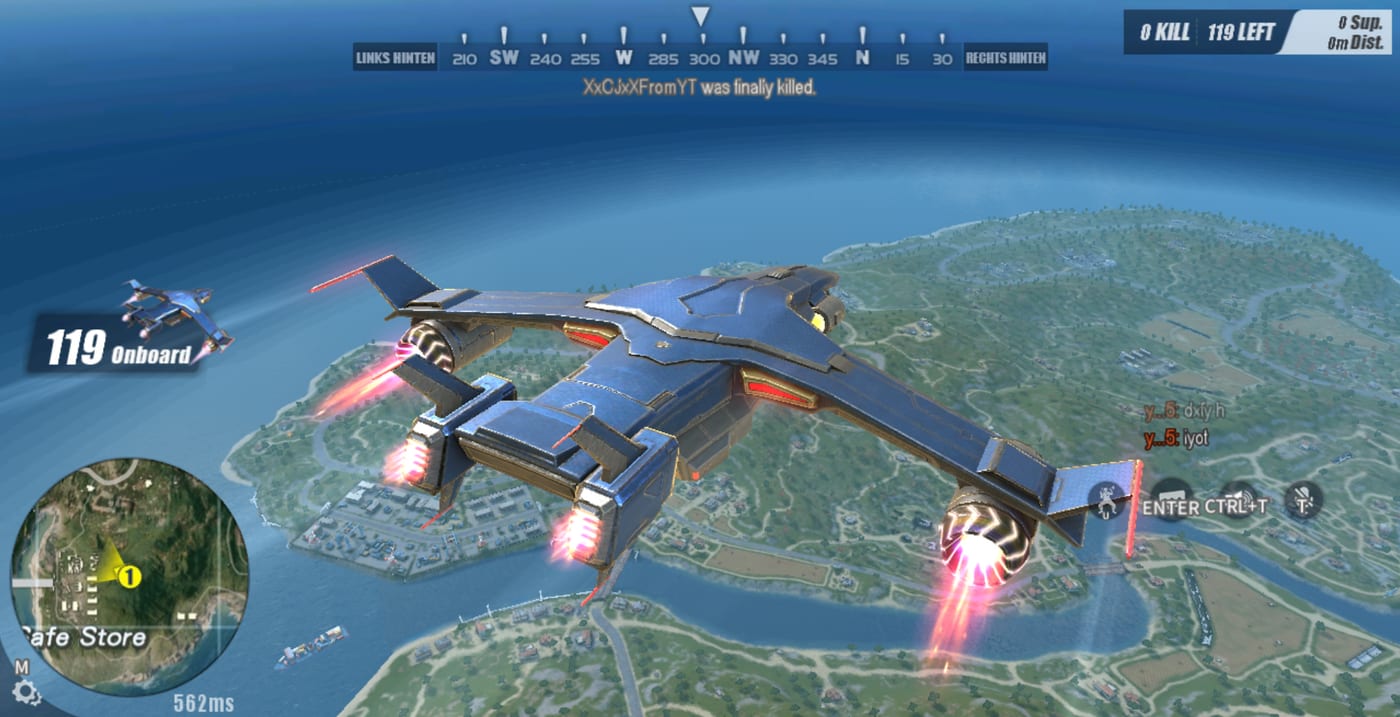
Crash Site is the first combat zone featured on the official ROS Legacy landing page, described as a Jungle Wreckage area with broken steel, dense cover, and dangerous sightlines. This guide covers what to expect based on Myth Games descriptions and early gameplay footage captured during testing phases. The environment creates a unique tactical challenge that differs significantly from the open terrain maps that veteran ROS players might remember from the original NetEase era. Understanding Crash Site terrain before your first drop gives you a decisive advantage when matches begin.
Terrain characteristics and visual design
Crash Site rewards players who understand tight-quarters combat and sightline management. The broken steel environment suggests industrial debris, collapsed structures, and vegetation that creates unpredictable sightlines. Unlike open terrain maps like Highlands, Crash Site forces frequent peeks and close-range decision making that tests your reaction speed and weapon handling under pressure. The dense jungle vegetation combined with rusted metal wreckage creates visual clutter that can obscure enemies at medium range while simultaneously providing abundant small cover pockets for tactical repositioning.
The vertical dimension of Crash Site adds another layer of complexity. Wreckage structures often have elevated positions with risk-reward sightlines 鈥?holding high ground gives you detection and engagement advantages, but exposed positions make you a priority target for anyone watching the angles. Ground-level play offers more cover but limited long-range options. Advanced players learn to read the terrain and choose their elevation based on current kit, circle position, and squad composition rather than defaulting to either extreme.
Combat dynamics and engagement distances
The combat in Crash Site centers on close to mid-range engagements where weapon choice and positioning determine survival outcomes more than raw aim skill alone. SMGs dominate ground-level engagements where their high fire rate and manageable recoil allow fast kills at close range. Shotguns punish enemies who clump together in debris zones, making awareness of your squad positioning critical. Compact assault rifles like the ACR with red dot or holographic sights bridge the gap between CQB and mid-range when you need flexibility.
Long-range weapons struggle in Crash Site’s cluttered environment. Sniper rifles require specific building positions and clear sightlines that the terrain rarely provides consistently. Attempting to hold long angles in Crash Site often results in exposure to multiple directions without the ability to return effective fire. If your loadout includes DMRs or bolt-action rifles, treat them as secondary weapons to be swapped for close-range options when engagements become inevitable.
Rotation strategy and circle management
Crash Site’s interior layout rewards early positioning and punishes late rotations through open terrain. As the circle shrinks, players must balance between holding interior cover positions and rotating to exterior zones that might offer better defensive setups for the next phase. The debris environment creates natural chokepoints where multiple teams might converge, making timing and smoke discipline essential survival skills.
Successful rotation through Crash Site requires reading the current circle position and predicting the next safe zone location. If the circle pulls toward Highlands, players in eastern Crash Site should begin rotating early to avoid the open terrain between zones. Holding interior positions until the last moment works when the circle centers on Crash Site, but becomes suicidal when the zone shifts toward distant map areas.
Squad coordination in debris environments
The Vanguard role shines in Crash Site debris where aggressive pushes can catch enemies off-guard. Leading with smokes and frag grenades into debris fields disrupts enemy positioning and creates openings for the squad to follow through. Scout players provide critical intel in Crash Site’s limited visibility, marking enemy positions before engagements become unavoidable. Anchor players hold defensive positions in wreckage structures, providing covering fire during revive attempts and maintaining awareness of approaching threats from multiple angles.
Communication in Crash Site differs from open terrain maps. Audio cues blend with environmental sounds, making callouts more frequent but also more prone to false positives. Squads should establish clear protocols for reporting contacts and confirming kills before transitioning to loot collection. The dense environment means a knocked enemy might have teammates very close 鈥?rushing loot before securing the area frequently results in quick reversals.
Loadout recommendations for Crash Site
For Crash Site’s close-quarters environment, prioritize weapons that perform well in the 0-50 meter range where most engagements occur. The Vector SMG offers exceptional fire rate and damage at very close range, though its limited magazine capacity demands accurate shot placement. The Thompson provides higher damage per bullet and larger magazine, trading some recoil control for stopping power. ACR-class rifles with red dot sights give flexibility for engagements that extend beyond immediate room clearing.
Attachments that improve close-range performance deserve priority in Crash Site. Extended magazines prevent dangerous reloads mid-engagement. Compensators reduce vertical recoil for faster follow-up shots. Red dot or holographic sights improve target acquisition speed compared to iron sights in debris-filled environments where enemies appear suddenly at close range.
Smoke grenades serve multiple purposes in Crash Site. Crossing open sightlines, reviving teammates in exposed positions, and creating diversions during rotates all benefit from smoke discipline. Carry at least two smoke grenades as baseline inventory, with additional utility based on squad composition and loadout strategy.
Comparison with other combat zones
Crash Site differs from The Slums in its industrial debris focus versus urban construction. Where The Slums offers multi-story buildings with predictable floor layouts and stairwell access, Crash Site provides irregular wreckage paths that reward exploration and memorized route knowledge. The Slums demands corner discipline and methodical clearing; Crash Site rewards adaptive positioning and rapid threat assessment.
Against Highlands’ long-range focus, Crash Site represents the opposite end of the engagement spectrum. Highlands players traveling to Crash Site should swap DMR loadouts for SMG or CQB AR builds. Conversely, Crash Site veterans seeking sniper practice should transition to Highlands-specific loadouts rather than attempting long-range play in their home zone.
Related guides and navigation
Study the Maps Hub for overview comparisons across all seven combat zones. The Weapons Tier List provides detailed breakdowns of CQB weapon performance metrics. Squad Roles Guide covers Vanguard, Scout, and Anchor tactics specific to debris environment combat. Getting Started offers basic survival preparation for new players entering Crash Site for the first time.
Combat zone quick reference
Attribute Value Theme Jungle Wreckage Environment Broken steel, dense jungle vegetation, industrial debris Combat style Close to mid-range CQB Strategic focus Sightline control, vertical positioning, debris navigation Loot tier Military-grade areas scattered through debris zones Difficulty Moderate 鈥?rewards positioning over raw aim skill Squad synergy High 鈥?Vanguard pushes, Scout intel, Anchor defense
Frequently asked questions
What makes Crash Site different from other ROS Legacy maps?
Crash Site features dense jungle wreckage with broken steel structures unlike any other zone. The industrial debris creates irregular sightlines and small cover pockets that reward memorized positioning over reactive play. Visibility varies dramatically between debris fields and open areas within the same engagement.
What weapons work best at Crash Site?
SMGs like Vector and Thompson excel in Crash Site’s close quarters due to their high fire rate and manageable recoil at short range. ACR with red dot sight provides flexibility for slightly longer engagements. Avoid long-range DMRs unless holding specific elevated positions with clear sightlines 鈥?the cluttered environment negates their effectiveness.
How do squad roles apply at Crash Site?
Vanguards lead pushes through wreckage using smoke and grenades to create openings. Scouts identify enemies in dense cover and call out positions before engagements begin. Anchors hold defensive positions in structures, providing covering fire during revives and monitoring approach angles. All three roles require constant communication given limited visibility.
Should I hot drop or edge loot at Crash Site?
Crash Site’s high loot density makes hot dropping viable for aggressive squads seeking early kills and equipment upgrades. However, the debris environment creates third-party risks where multiple teams converge on gunshot sounds. Edge looting works for more cautious players who want to build loadouts before engaging, though you may struggle against fully-equipped hot drop survivors in later circles.
How does the circle affect Crash Site strategy?
Early circles that center on Crash Site allow aggressive players to hold interior positions and farm loot from eliminated teams. Circles that pull toward distant zones force early rotates through dangerous open terrain. Monitor circle announcements and begin rotating toward predicted safe zones before the border movement begins.
Questions fréquentes
Réponses rapides aux questions les plus courantes.
What makes Crash Site different from other ROS Legacy maps?
Crash Site features dense jungle wreckage with broken steel structures. Unlike open terrain maps, it emphasizes tight CQB combat and unpredictable sightlines within an industrial debris environment.
What weapons work best at Crash Site?
SMGs like Vector and Thompson excel in Crash Site's close quarters. ACR with red dot also performs well. Avoid long-range DMRs unless holding specific elevated positions.
How do squad roles apply at Crash Site?
Vanguards lead pushes through wreckage. Scouts identify enemies in dense cover. Anchors hold defensive positions in structures. Communication is critical given limited visibility.
Should I hot drop or edge loot at Crash Site?
Hot dropping works for aggressive squads seeking early equipment. Edge looting suits cautious players building loadouts, though you may face fully-equipped hot drop survivors later.
How does the circle affect Crash Site strategy?
Circles centered on Crash Site allow interior holding. Circles pulling away force early rotates through dangerous open terrain. Monitor announcements and rotate predictively.