Rules of Survival Legacy Oasis 鈥?Desert Combat
Control the waterline before the circle forces contact in ROS Legacy's final combat zone.
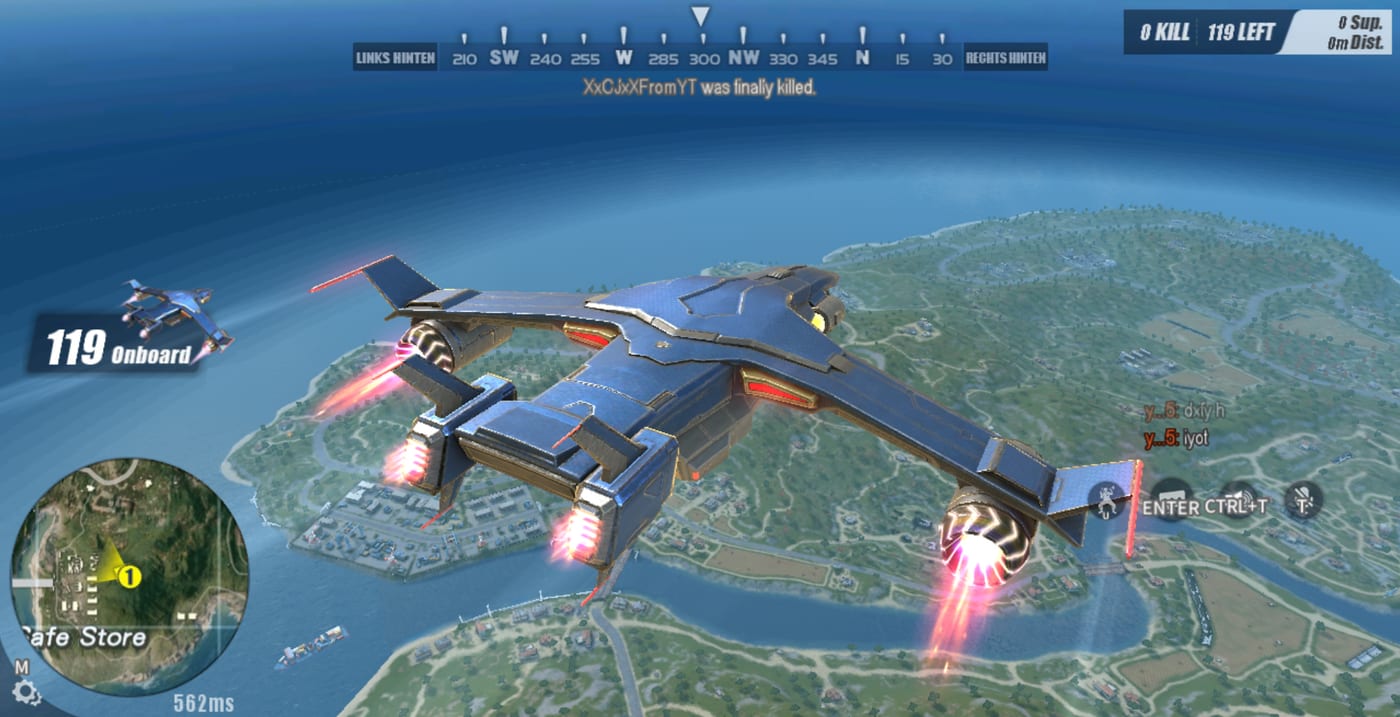
Oasis is the seventh and final combat zone listed on the official ROS Legacy landing page, characterized as a desert combat environment where controlling the waterline before the circle forces contact becomes the primary strategic objective. This guide covers tactical considerations for this unique terrain, where the central water feature creates a natural focal point that draws players into inevitable conflict. Unlike other zones where you can avoid engagement, Oasis punishes passivity 鈥?the waterline is too valuable to concede, and teams that hide too long find themselves rotation-starved as the circle compresses.
Oasis presents desert warfare with a water-focused design that creates distinctive strategic challenges: Waterline control 鈥?the central water feature creates a natural chokepoint that every team must eventually contest, making it the most politically charged location on the map. Desert surroundings 鈥?arid terrain with limited natural concealment surrounds the central oasis, creating a contrast between safe interior spaces and dangerous exterior approaches. Open engagement areas 鈥?combat often occurs around central structures where multiple teams converge simultaneously, creating chaotic three-way and four-way firefights. Rotation pressure 鈥?the circle forces contact at the waterline or surrounding structures, eliminating passive play options that might work on other maps. Structural variety 鈥?buildings around the waterline range from small shelters to larger fortified positions, each with distinct tactical value. Visibility conditions 鈥?desert atmosphere provides good long-range visibility but also means movement is visible from distance.
Oasis combat centers on resource control and positioning around the central objective: Waterline dominance 鈥?controlling central water means controlling rotation paths; teams without water access are forced into predictable approaches through the desert. Structure siege 鈥?buildings around waterline become contested positions where multiple teams may fight simultaneously for the same high ground. Sniper applicability 鈥?elevated ground around waterline enables long-range control of approach paths; snipers can deny waterline access to enemies. Rotation timing 鈥?early waterline access prevents being locked out; however, being too early means being the first target for every other team. Healing vulnerability 鈥?stopping to heal near waterline is dangerous because exposed positions invite fire from multiple angles.
For Oasis’s mixed engagement environment with emphasis on the central objective: Balanced AR builds 鈥?ACR or M4A1 effective at all ranges, critical for the mixed combat distances around waterline. DMRs 鈥?control waterline from distance; SVD and SKS excel at denying approach paths from desert terrain. Smoke grenades 鈥?approach waterline or cross open ground safely; these are essential for any rotation near the oasis. Extended meds 鈥?sustain through siege-style engagements where healing windows are limited. Vehicle for rotation 鈥?fast transport to waterline early, then abandon or use as mobile cover. High-capacity magazines 鈥?extended engagements around central structures consume ammunition quickly.
Oasis rotation strategy must balance early positioning against exposure to multiple teams: Prioritize waterline access early game, but avoid being the only team there 鈥?isolation invites multi-team focus. Hold surrounding structures for overwatch rather than the waterline itself 鈥?elevated positions around the oasis provide better defense. Use smoke for waterline crossings during circle shrink 鈥?exposed crossing is suicide in late phases. Coordinate squad positions around central feature to avoid friendly fire during chaotic multi-team engagements. Consider sacrificing early waterline control to let other teams fight, then counter-rotate when they are weakened.
Each squad role brings specific advantages to Oasis combat around the central water feature: Vanguard 鈥?secures waterline positions early and leads pushes on occupied structures; calls out enemy positions for the squad. Scout 鈥?monitors enemy approach to waterline from elevated positions; provides early warning of incoming teams. Anchor 鈥?holds defensive structures and provides covering fire during squad rotations; uses DMR to suppress enemies during waterline access attempts.
Oasis combines elements from classic ROS Bitter Lake and Dust Quarter, creating a unique central-objective combat zone unlike the original maps. The waterline creates political pressure similar to Bitter Lake’s waterfront, while the desert surroundings echo Dust Quarter’s arid terrain. The combination produces a distinct strategic scenario where passive play is penalized 鈥?everyone must eventually come to the water.
High-level Oasis play requires understanding the unique economics of central-objective control: First rotation to waterline is often a mistake 鈥?the second or third team benefits from others revealing positions. Buildings with multiple stories around waterline are worth more than the waterline itself 鈥?overwatch beats direct control. Desert terrain provides limited but real concealment through rocky outcrops and sand dunes. Vehicle hide spots around Oasis are critical for late-game repositioning after losing waterline control. Watch for enemies who stop to heal in the open 鈥?they are easy picks from waterline overwatch positions.
Theme: Desert Combat. Environment: Central waterline with arid surroundings. Combat style: Mixed range with central objective. Strategic focus: Waterline control, structure siege. Loot tier: Military-grade central with suburban perimeter. Visibility: High (desert conditions). Cover density: Medium. Preferred weapons: AR, DMR. Rotation difficulty: High. Central objective: Waterline.
Häufig gestellte Fragen
Schnelle Antworten auf die häufigsten Fragen.
What is the key to winning at Oasis?
Waterline control determines success at Oasis. Players who secure positions around the central water feature dictate rotation paths and force enemies into unfavorable engagements. However, being too early can be as dangerous as being too late.
Are sniper rifles effective at Oasis?
Yes. Elevated positions around the waterline provide excellent long-range angles. DMRs and qualified snipers can dominate waterline crossings and deny approach paths from desert terrain.
How does the water feature affect combat?
The central water creates a natural chokepoint that every team must eventually contest. Crossing the open water requires smoke cover. Buildings around the waterline become high-value siege positions.
Should I rush waterline at the start?
Not necessarily. The first team to waterline often draws fire from every other team in the match. Better strategy is to secure overwatch positions around the oasis and let others fight over direct waterline control.
What makes Oasis different from other desert maps?
Unlike Dust Quarter which allows passive play, Oasis forces conflict through the central waterline. You cannot avoid confrontation here 鈥?the map design ensures every team eventually must challenge for water access.