Rules of Survival Legacy Dust Quarter 鈥?Desert Settlement
Low cover, rooftop angles, and brutal rotations in ROS Legacy's desert combat zone.
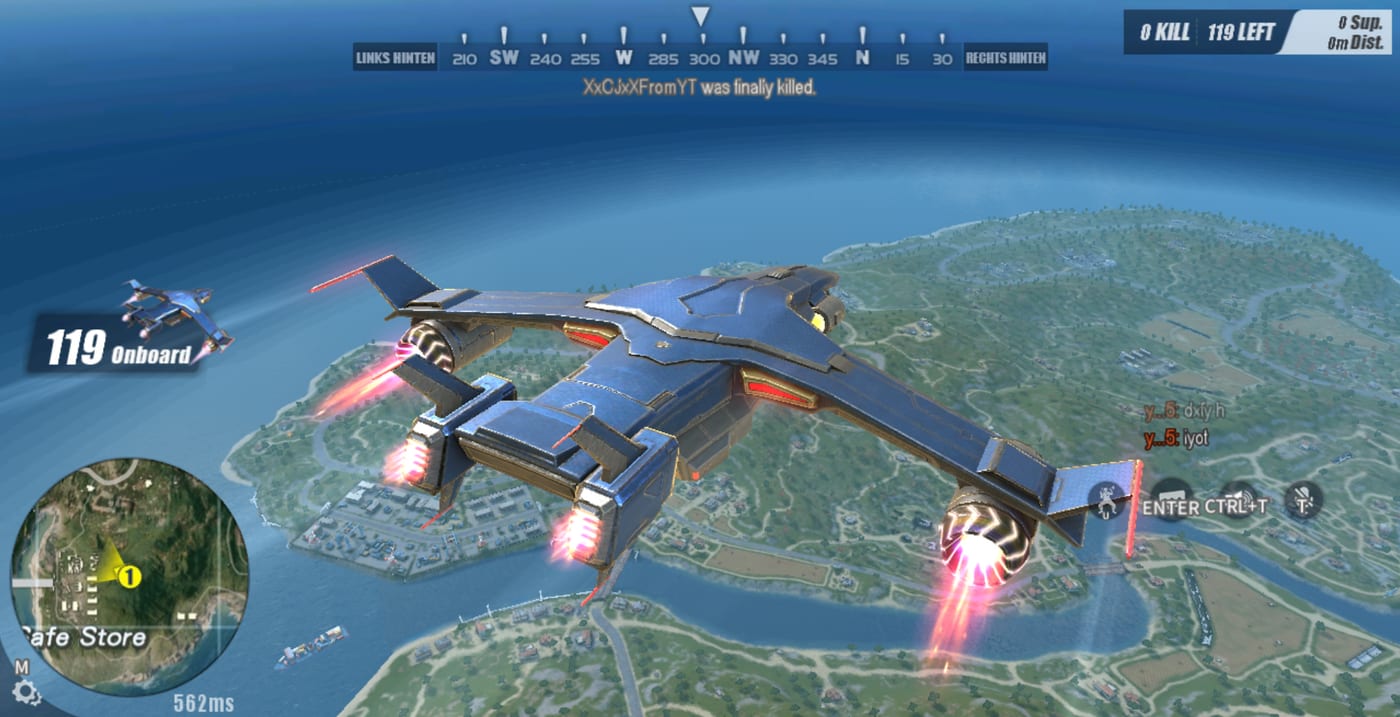
Dust Quarter is the fifth combat zone featured on the official ROS Legacy landing page, characterized as a desert settlement with low cover, rooftop angles, and brutal rotations. This guide covers tactical considerations for arid terrain combat. The environment presents unique challenges that separate skilled players from casual droppers 鈥?mastering Dust Quarter requires understanding how heat, visibility, and rotation pressure interact as the circle shrinks toward the final phases of a match.
Terrain characteristics
Dust Quarter presents desert warfare challenges that test every aspect of your combat skills:
Low cover 鈥?limited natural concealment between structures means engagements often come down to weapon choice and positioning rather than stealth Rooftop angles 鈥?elevated positions on buildings provide significant advantages, but also make you visible from multiple directions Brutal rotations 鈥?circle movement forces dangerous open ground crossing where players are most vulnerable Heat shimmer potential 鈥?visibility may be affected in sunny conditions, making long-range shots harder to judge Sand channels 鈥?natural valleys between structures can provide unexpected concealment paths Structure density 鈥?medium-density building clusters create mixed engagement ranges
Tactical considerations
Desert combat rewards different approaches depending on your squad composition and drop strategy:
- Rooftop dominance 鈥?controlling building tops means controlling sightlines across the entire quarter; a team that holds rooftop superiority dictates when and where fights occur
- Rotation timing 鈥?early movement prevents being caught in open during circle shrink, but moving too early reveals your position to early-positioned enemies
- Water management 鈥?healing item economy matters more with longer engagement distances and fewer safe healing opportunities
- Dust awareness 鈥?movement through loose terrain may produce visual tell that betrays your position to attentive enemies
- Sun position 鈥?fights conducted with the sun behind you provide a visibility advantage that skilled players exploit
Recommended loadout
For Dust Quarter’s exposed environment, weapon choices must account for both rooftop-to-rooftop combat and street-level engagements:
AR with scope 鈥?ACR or M4A1 with 2x or 4x for rooftop-to-rooftop combat across medium distances DMRs 鈥?suppression and precision at medium ranges, ideal for teams that establish rooftop overwatch early Smoke grenades 鈥?critical for open ground crossings during circle shrinks; carry at least 2-3 for rotation insurance Quick-healing items 鈥?bandages and first aid kits for rapid sustain between fights Extended optics 鈥?4x scopes become valuable when controlling elevated positions with long sightlines
Rotation strategy
Dust Quarter rotation is unforgiving and separates good teams from great ones:
Secure rooftop positions before circle shrinks to establish early overwatch Use building shadows for concealment during movement between structures Coordinate squad rotations to maintain crossfire support and prevent being pinched by enemy teams Avoid being caught in dust channels during active combat 鈥?these become deathtraps under fire Time rotations with Scout callouts on enemy positions to prevent walking into ambushes
Squad role application
Each squad role brings specific advantages to Dust Quarter combat:
Vanguard 鈥?leads pushes between buildings and secures rooftop access points; prioritizes buildings with multiple exit routes Scout 鈥?marks enemy positions on surrounding rooftops and calls out rotation threats before they materialize Anchor 鈥?provides overwatch from elevated positions during squad moves, covering the Vanguard’s approach paths
Connection to classic ROS
Dust Quarter’s desert environment differs from classic ROS maps but shares the tactical principle of rooftop control and rotation timing that defined military compound combat. Players who mastered the original Dust Town on NetEase ROS will recognize the fundamental loop 鈥?secure high ground, control rotation paths, force enemies into unfavorable engagements.
Advanced tips
Experienced players on Dust Quarter develop specific habits that increase survival rates:
Pre-aim corners and entry points before moving 鈥?reaction time matters more when cover is sparse Use vehicles sparingly 鈥?open terrain makes vehicle stops predictable and dangerous Prioritize buildings with internal stairs over external ladders for faster rooftop access Hold angles when enemies are in open 鈥?this zone punishes players who try to outmaneuver while exposed
Related guides
Maps Hub 鈥?all seven combat zones Hot Drops Guide 鈥?aggressive landing strategies Circle Strategy 鈥?rotation timing Beginner Mistakes 鈥?avoiding rotation errors
Combat zone quick reference
Attribute Value Theme Desert Settlement Environment Low structures, rooftop access Combat style Mid-range with rooftop dominance Strategic focus Rotation timing, elevated positioning Loot tier Military to suburban transitions Visibility High (clear desert conditions) Cover density Low Preferred weapons AR, DMR Rotation difficulty High
Häufig gestellte Fragen
Schnelle Antworten auf die häufigsten Fragen.
What makes Dust Quarter rotation difficult?
Dust Quarter forces players to cross open desert terrain during circle shrinks. Low cover means exposure is dangerous. Timing rotations before the zone closes prevents being caught in brutal open-ground fights.
Are sniper rifles viable in Dust Quarter?
Yes, but less dominant than in Highlands. Medium-range DMRs and scoped ARs perform well given the mix of rooftop and street-level combat. Snipers work best when you control a tall building with clear sightlines.
How do I control buildings in Dust Quarter?
Prioritize buildings with roof access and multiple exit routes. Anchor positions while Scouts mark threats. Vanguards clear building interiors systematically, starting from top floors and working down.
What is the best drop location in Dust Quarter?
Central buildings with rooftop access and sightlines to multiple rotation paths work best. Avoid edges early 鈥?they force predictable rotations as the circle shrinks toward the center.
How does weather affect combat in Dust Quarter?
Clear conditions provide long visibility range but can create heat shimmer at distance. Sunny conditions favor defenders with elevated positions while making approach paths more obvious.