Rules of Survival Legacy Squad Communication
Callouts, pings, strategy, and team coordination for classic ROS-style PC battle royale squads.
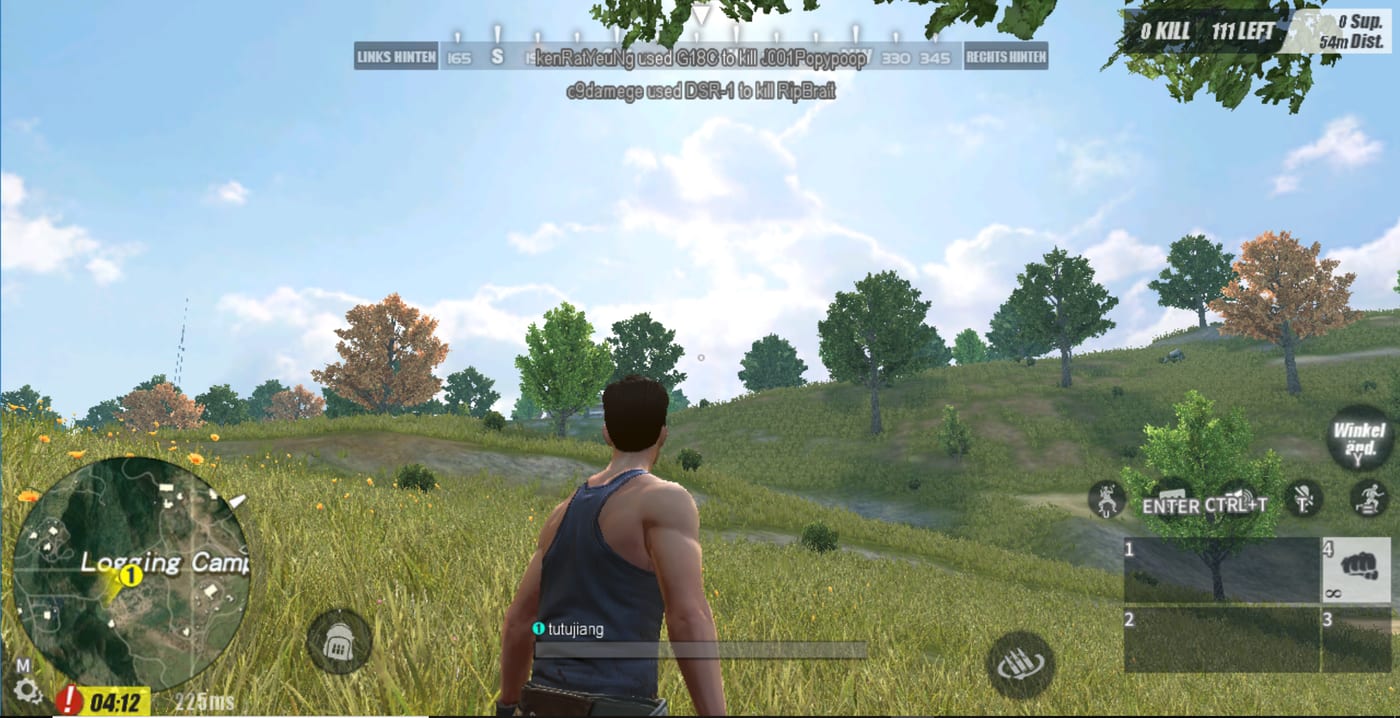
Squads in classic Rules of Survival lived or died by communication quality. A four-player team with sharp callouts and synchronized rotations crushed disorganized six-stackers every time. Rules of Survival Legacy targets PC multiplayer under Myth Games, still Under Development with no verified public release. This guide prepares your squad coordination habits before Myth opens test servers鈥攕tandardized callouts, ping etiquette, and strategic habits that worked in 120-player lobbies on Ghillie Island and Fearless Fiord’s massive terrain.
Combine squad communication skills with squad roles for role-specific comms, circle strategy for zone-based coordination, and builds for loadout-based communication priorities.
Core callout structure
Effective callouts answered three questions in under five seconds: Where is the enemy? What are they doing? What do you need from your team?
Location callout: Identify the enemy by the nearest named landmark or map feature. Classic ROS squads used POI names from map guides: “Two contacts at Bitter Lake east entrance” or “Sniper on Observatory roof.” Location callouts worked when every squad member had internalized the same map vocabulary.
Action callout: Describe what the enemy is doing right now. “Looting behind the truck” or “ADS toward the gas station” gave teammates context for their own positioning decisions.
Request callout: Specify what you need immediately. “Push with me,” “Cover my reload,” or “Grenade the building” told teammates exactly how to support you. Vague requests like “can someone help” wasted seconds.
Map-based callout vocabulary
Standardized location names reduced confusion during high-pressure fights. Your squad should memorize the same POI names used in map guides.
Ghillie Island callouts:
Training Base: barracks, parade ground, warehouse alpha/beta/gamma Observatory: lower level, upper level, roof access Bitter Lake: north dock, south compound, central island Rust Bay: main warehouse, dock section, container row
Fearless Fiord callouts:
Northern mountain: peak, ridge, cliff face Eastern settlement: village center, radio tower, frozen lake Western valley: river crossing, bridge ruins, forest sector
Cardinal direction shorthand: Use clock positions relative to your view when POI names are insufficient. “Enemy at two o’clock, fifty meters” worked when both players understood directional orientation.
Ping system etiquette
When voice communication failed or needed reinforcement, visual pings communicated instantly.
Marker ping: Drop a permanent marker on enemy positions, loot items, or navigation points. Ping enemy locations before describing them verbally鈥攖eammates process visual markers faster than spoken coordinates.
Danger ping: Use the danger marker to signal immediate threats. A danger ping on a doorway told teammates to hold before entering without requiring a voice explanation.
Loot ping: Mark valuable loot like AWM, level-3 armor, or vehicle keys. Loot pings prevented squads from running past rare items during chaotic rotations.
Attack and defend pings: Signal offensive or defensive intent when voice channels were contested or teammates were deafened by gunfire.
In-fight communication protocol
Fight communication required strict discipline. Excess chatter during firefights created audio chaos that buried critical callouts.
Shoot and call: Fire first to get attention, then call. “Shooting muzzle flash, east wall” told teammates where to look without waiting for them to notice your voice first.
Single shooter rule: Only the player engaging the enemy called out that enemy initially. Multiple squad members calling the same target created noise. If the primary shooter went down, the next player in position took over callouts.
Mute discipline: Mute your mic during teammate callouts. Even subtle background sounds from your mic could mask a critical direction call. Classic squads established who was calling and when during pre-firefights.
Rotation communication
Rotations demanded different comms than combat鈥攑lanner-focused, anticipatory, and clear on timing.
Rotation call: Announce your intended path before moving. “Rotating to Bitter Lake through north road” let teammates adjust their own positions to provide overlapping coverage.
Wait call: Tell the squad to hold before committing to a rotate. “Wait, I hear a vehicle, might be third-party” gave the squad time to assess before walking into crossfire.
Regroup call: Specify where the squad should reunite after separation. Classic squads used rally points鈥攍ocations with natural cover and clear sightlines鈥攆or regrouping during chaotic zone compressions.
Cover check: Before rotating, confirm squad members had cover and were ready to move. A staggered rotation where one player was caught reloading created a vulnerable window.
Squad roles and comms
Different roles required different communication priorities. Pair role-specific comms with the squad roles guide.
IGL (In-Game Leader): Primary callout authority during rotations and strategy phases. IGLs called target priority, rotation timing, and endgame positioning. Other squad members fed information but followed IGL decisions.
Support/Healer: Called out med kit availability and heal timing. Support players communicated when teammates needed healing cover and when they could safely stop to bandage.
Sniper/Long-range: Called out distant enemy positions, vehicle movement, and zone threats beyond close-range awareness. Sniper callouts often preceded IGL rotation decisions.
Point/Entry: Called out immediate threats during pushes and building clears. Entry players provided real-time intel as the squad made first contact.
Common communication mistakes
Overcalling: Naming every enemy you see created noise. Only call enemies relevant to squad survival or the current engagement.
Vague positioning: “They are over there” wasted seconds. Use POI names, distances, and clock positions for precision.
Assuming team awareness: Do not assume teammates saw what you saw. Always call out significant events even if they seemed obvious.
Silent during healing: Call out your heal status. “Healing for ten seconds, need cover” let teammates know you were vulnerable.
Breaking radio discipline: Stop talking when a teammate was mid-call. Classic squads established turn-taking protocols during intense firefights.
Voice settings and hardware
Communication quality depended on proper voice hardware and software configuration.
Push-to-talk: Use push-to-talk rather than open mic to avoid broadcasting background noise. Classic squads established open-mic violations as team discipline issues.
Microphone quality: A clear microphone mattered more than expensive headsets. Test your mic volume and clarity before entering test servers.
Voice chat volume: Set game audio to 70% and voice chat to 30% so squad callouts did not drown out footsteps and gunfire. Footsteps were critical audio intel that voice volume should not obscure.
Separate voice channels: When Discord was available, use a dedicated squad voice channel separate from general comms. This reduced ambient noise and confusion.
Post-match communication
Communication continued after elimination. Quick recaps helped squads improve:
What killed us: Brief discussion of the final engagement鈥攚hat went wrong tactically and what could be improved.
Positioning review: Did the squad hold good angles? Was there unnecessary exposure?
Rotation timing: Did the squad rotate too early or too late? Were rally points appropriate for the circle?
What Legacy may change
Myth Games has not confirmed Legacy-specific voice chat features or ping systems. Monitor Discord and updates for communication tool announcements once test access approaches.
Related pages
Squad Roles 鈥?role-specific duties and communication priorities Circle Strategy 鈥?zone-based squad coordination Builds Hub 鈥?loadout communication priorities Discord Guide 鈥?community communication channels
Häufig gestellte Fragen
Schnelle Antworten auf die häufigsten Fragen.
What makes a good callout in ROS?
A good callout identifies location using POI names, describes enemy action, and specifies what you need from teammates. Keep it under five seconds and leave room for responses.
How do I learn map callout names?
Study the Ghillie Island and Fearless Fiord map guides. Memorize building names and use them consistently with your squad.
Should I call out every enemy I see?
No. Only call out enemies relevant to your squad's survival or current engagement. Excessive callouts create noise that buries critical information.
What is the single shooter rule?
Only the player engaging an enemy calls out that enemy initially. When that player goes down, the next player in position takes over. This prevents callout overlap.
How do I communicate when voice chat fails?
Use the in-game ping system. Mark enemy positions with danger pings, loot with item pings, and navigation points with standard markers. Ping reinforcement works when voice does not.
Will Legacy have built-in voice chat?
Unknown. Myth has not published communication feature details. Prepare with external Discord coordination until official tools are confirmed.